



Western Harbour Tunnel Project


Western Harbour Tunnel Project
Western Harbour Tunnel Project
Largest-diameter tunnel in Australia
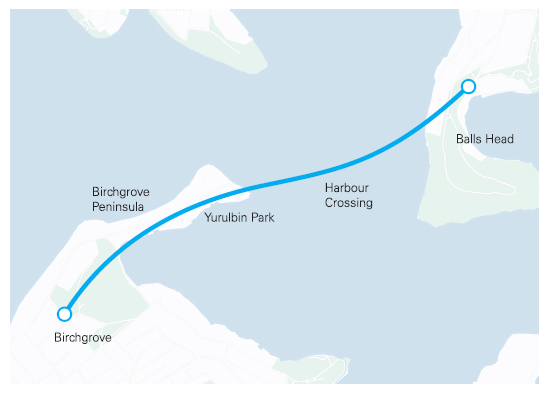
The Western Harbour Tunnel project is located in Sydney. The tunnel is designed as a twin-tube, two-way road tunnel and is one of the three core components of the Western Harbour Tunnel and Beaches Link (WHTBL) project. The tunnel is 1.56km long, which is bored by a slurry TBM with an excavation diameter of 15.7m. The maximum overburden reaches 52m below sea level, and the minimum curve radius is 960m. The alignment follows an S-shaped curve. The tunnel passes through highly variable strata including sandstone, silt, and silt with silty clay layers. The UCS (uniaxial compressive strength) can reach up to 30MPa, and in some areas even up to 80MPa, making construction particularly challenging.
Project Background
The Western Harbour Tunnel in Australia is currently the largest-diameter tunnel in Australia and is scheduled to open in 2028. As Sydney's first newly built harbour-crossing road in over 30 years, the tunnel will offer significant time savings for drivers, cutting travel time by approximately 20 minutes from North Sydney to Sydney Olympic Park or Leichhardt. The completion of this major infrastructure project will also transform the way Sydneysiders travel, providing local residents with a more convenient, efficient and safe transportation option, while strongly promoting the city's traffic efficiency and economic development.
right side
Western Harbour Tunnel Route

The "Patyegarang"TBM completed factory acceptance test.

Project Information
| Tunnelling length: | 1,560 m |
| Geology: | Sandstone, silt, and silt with silty clay layers |
| Contractor: | ACCIONA Australia |
TBM Parameter
| TBM type: | Super-large diameter slurry TBM |
| TBM S/N: | CREC 1458/1459 |
| Boring Dia: | 15.7 m |
| Main drive power: | 7,000kW |
| FAT date: | CREC1459:April 12,2025 CREC1458:August 1,2025 |
Project Characteristics
| Efficient excavation in long-distance, extra-large cross-section rock strata |
| Hyperbaric intervention in high water pressure conditions |
| Tunnelling in upper-soft lower-hard strata |
| TBM attitude control during continuous curved tunnelling |